Civil and Criminal
1. Background of the Case
While the client was working in public office, he came across information about a development plan for a specific area in the course of his duties. He later purchased land in that area in his spouse's name, and the investigative authorities deemed this to be a real estate purchase using confidential information obtained through his duties and indicted him for violating the Anti-Corruption and Civil Rights Commission Act.
At the lower court level, a prison sentence was handed down, and the client came to Exist Law Firm to contest the charges.
2. Key Issues
There were three issues to be contested in this case.
First, whether the information the client encountered constituted a legally protected 'secret.' The development plan had already been partially made known to the public through a lawmaker's disclosure of materials and media reports. The client argued that confidentiality had already been lost, but the prosecution and the lower court held that what was reported in the media was merely general information, and that the specific core information remained secret.
Second, whether the client actually 'acquired knowledge' of the information. The client argued that he had not received a specific briefing at the related meeting and submitted confirmations from those who attended with him, but the lower court found the statements of the person who prepared the briefing materials and the official who delivered the briefing to be more credible.
Third, the issue was whether the land purchase was the result of using secret information or was made for a separate business purpose. The client argued that it was purchased to be used as a storage yard for a business operated by his spouse, but the lower court rejected this argument on the ground that the land was agricultural land that could not legally be used as a storage yard.
3. Exist's Strategy
Managing Attorney Yoon Ji-sang responded at the appellate stage by focusing on legal errors and factual misapprehensions in the lower court judgment.
Regarding the scope of secrecy, we precisely developed the legal issue of where to draw the boundary between information already disclosed through the media and undisclosed information accessible only to public officials. As to whether the information had been acquired, we argued whether mere attendance at the briefing meeting could support an inference that specific information had been acquired, and whether the standards used to assess the credibility of testimony were appropriate. We also pointed out legal errors in the lower court's determination regarding the purpose of the purchase and the causal link to the use of secret information.
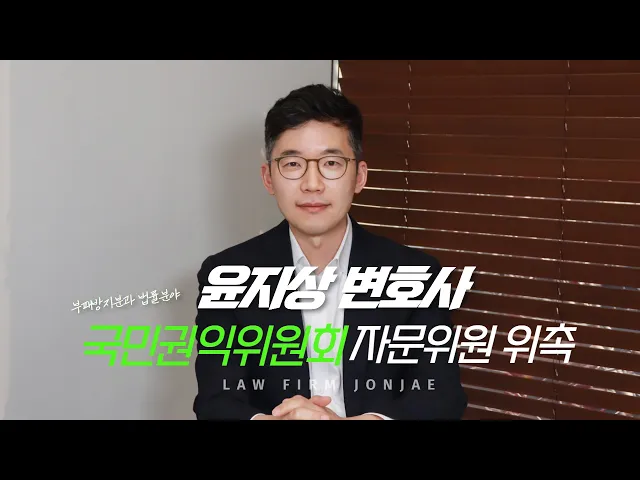
Attorney Yoon Ji-sang is not only a former presiding judge of the Family Court, but also serves as a professional advisory member to the Anti-Corruption and Civil Rights Commission, giving him practical expertise in anti-corruption legislation and public ethics. This experience contributed to setting the direction of the case in the legal debate over the interpretation of the elements of the Anti-Corruption and Civil Rights Commission Act and the standards of proof.
4. Outcome and Relief
The case concluded with a result favorable to the client at the appellate stage. It was the outcome of legally challenging the lower court's decision and bringing about a meaningful result.
Cases involving a public official's use of undisclosed information involve multiple legal issues to be contested, such as the scope of secrecy, the standard for recognizing acquisition of knowledge, and the causal relation for use. If you are wondering how to respond in a similar situation, the outcome may vary depending on the specific facts, so we recommend consulting a specialist.
Attorney in Charge: Yoon Ji-sang, Managing Attorney (Professional Advisory Member, Anti-Corruption and Civil Rights Commission)
This case has been partially de-identified to protect confidentiality, to the extent that it does not compromise the essence of the case.
Attorney in charge

Other cases