Press Coverage
Hello. This is Law Firm Jonjae.
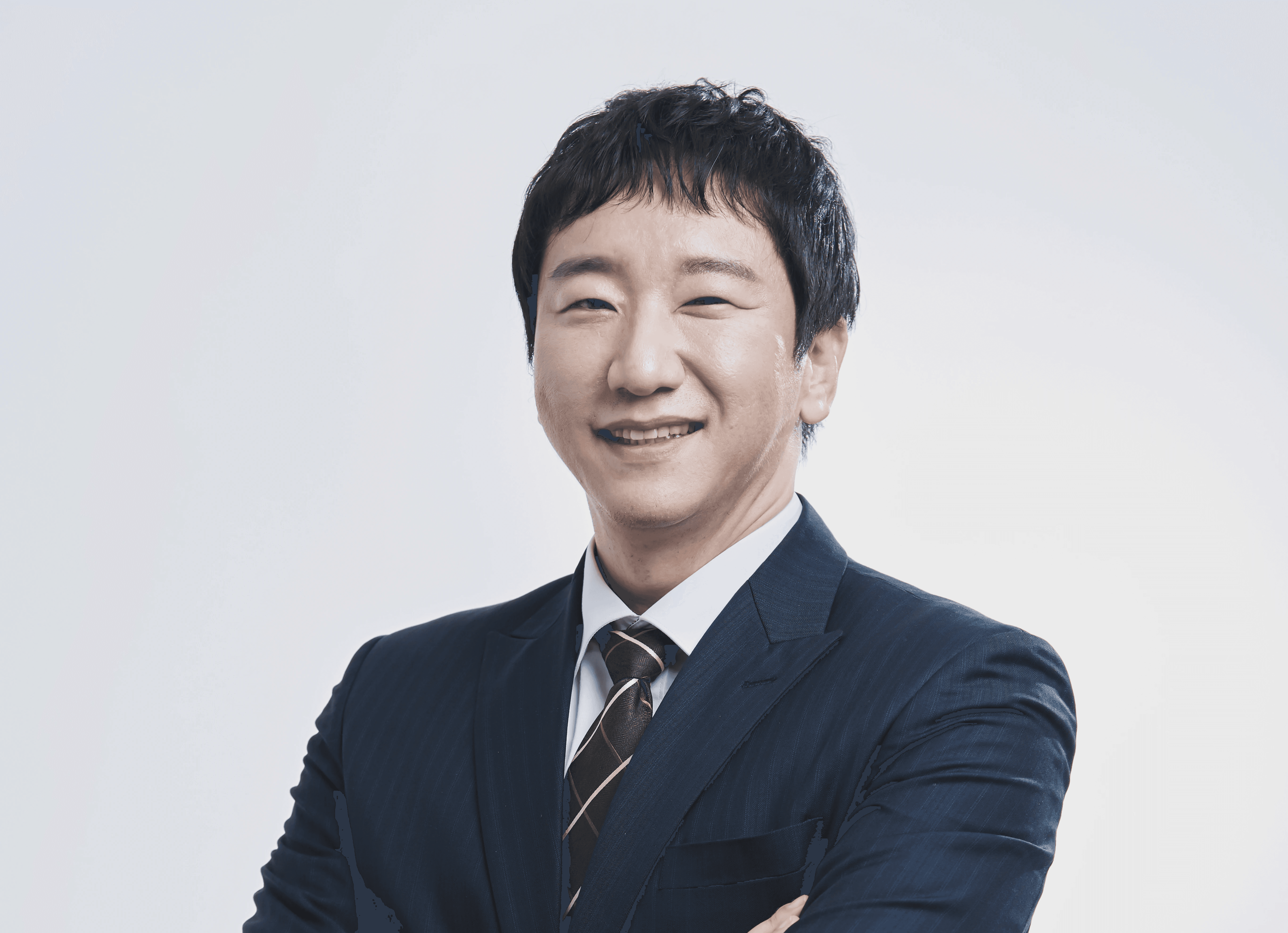
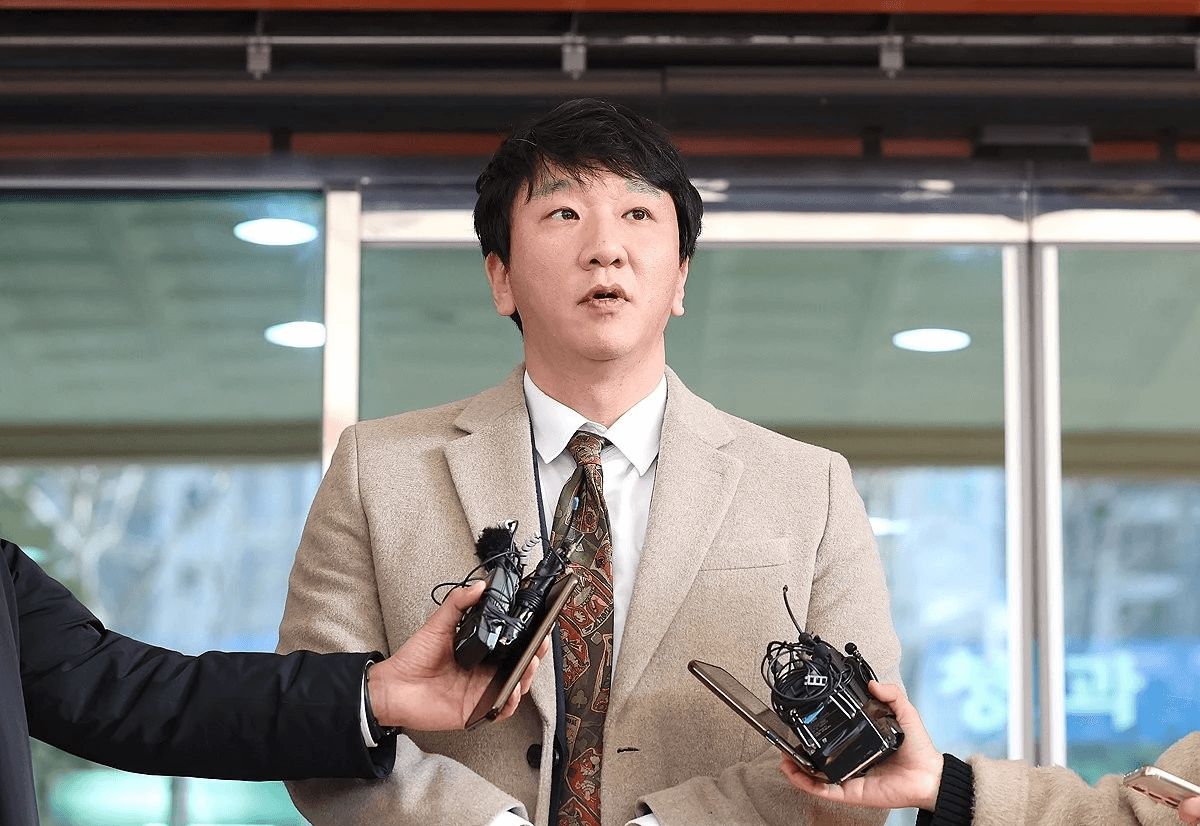
In the July 16, 2020 KBS broadcast of 〈Tipsters〉, in the segment 'A Republic of Secret Cameras! Right Now, Someone Is Filming You', Attorney No Jong-eon, the managing partner of Law Firm Jonjae, was interviewed about the Choi Jong-beom case and the Act on Special Cases Concerning the Punishment, etc. of Sexual Crimes (camera and similar devices filming).
The court must not lose its 'gender sensitivity'
In its April 12, 2018 ruling (2017Du74702), the Supreme Court held that when courts hear sex-related cases, they must not lose their 'gender sensitivity'. Citing this precedent, Attorney No Jong-eon explained what the court's judgment should be in illegal filming cases.
A victim's silence must not be interpreted as consent
Attorney No Jong-eon explained the unique nature of sex crimes as follows. From the moment a victim reveals the fact that a sex crime occurred, they may instead face negative reactions from others and suffer mental harm and other **'secondary victimization'**. As noted in the precedent, victims are placed in a situation where they have no choice but to remain silent even immediately after the harm occurs in order to prevent secondary harm.
"Why didn't you report it right away?" "Why didn't you stop the harm?" — We must recognize that these questions themselves can amount to secondary abuse of the victim. This is in the same context as the point Attorney No Jong-eon made in his previous MoneyToday interview: **"Enduring it and tacit consent are clearly different."**
In the Choi Jong-beom case, the first- and second-instance courts acquitted him of the illegal filming charge on the grounds that "the victim did not stop the filming and did not delete the photos," which was a judgment that overlooked the structure of this secondary victimization.
What we hope for from all courts
For the many victims of sex crimes, we hope that all courts will continue to issue rulings that do not lose 'gender sensitivity' and that are in line with the public's common sense and universal sense of justice.
Other news