Inheritance
1. The Client's Crisis
The client was someone who had cared for his mother for more than 18 years. Although there were several siblings, the client took on both the nursing care and the management of the real estate. After his mother passed away and the inheritance division process began, the client hoped that his years of support and dedication would be recognized to some extent.
The inherited assets were worth about KRW 1.26 billion in total, combining land and a multi-family house in Dongdaemun-gu, Seoul, along with some deposits and insurance proceeds. The largest portion was real estate. The heirs were the spouse and children, among whom the spouse transferred all of his or her inheritance share to the client, and two people whose biological parent-child relationship was not recognized agreed to renounce their inheritance rights. As a result, the client's statutory inheritance share was set at 5/13, and the other four siblings each received 2/13.
The problem was how the other siblings responded. They argued that the client had previously used two lease deposits belonging to their mother and that these amounts should all be treated as special profits (property received in advance during the mother's lifetime) and deducted from the client's inheritance share. They also said the client's claim for a contributory share could not be accepted. The court of first instance sided with the siblings, recognized both transactions as special profits, and dismissed the claim for a contributory share. From the client's perspective, the recognition of 18 years of caregiving disappeared entirely, and the inheritance share was instead reduced by the amount of money alleged to have been received.
2. Key Issues
The issues that had to be disputed in this case were as follows.
First was the issue of a contributory share. The 18-year caregiving period itself was not in dispute. However, for the court to recognize a contributory share, there must be "special contribution" beyond ordinary support. In practice, merely having cared for the deceased for a long time is not enough; the contribution must carry enough weight to justify adjusting the inheritance share.
Next was the issue of special profits. One of the two items recognized in the first instance involved money that the client had received and later deposited back into the mother's account. Whether that deposit was simply a movement of funds or repayment of money previously received determined whether it counted as a special profit. If judged only by the timing of receipt, it would be a special profit. But if repayment had in fact occurred afterward, then the client did not ultimately keep the money, and it could not be treated as a special profit.
Finally, there was the method of division. The client wanted to own the real estate exclusively and pay the other siblings in cash through a value-based division, but the court generally gives priority to in-kind division. Whether value-based division would be accepted was also an issue to be contested.
3. Our Strategy
Managing Attorneys Yoon Ji-sang and Noh Jong-eon, together with Attorney Park Jeong-eun, concentrated their resources on the point among the unfavorable first-instance rulings that was most worth challenging. The contributory share and value-based division issues faced a high wall of precedent, but one special-profit issue clearly had room to be challenged based on the objective flow of funds.
On appeal, for the KRW 44 million the client received in 2012, the team presented transaction records showing that the money was later deposited back into the mother's account, together with the timing, amount, and circumstances. They did not stop at simply saying, "I returned it at some point." Instead, they organized objective circumstances suggesting that the deposit could be viewed as repayment of the money received, prompting the court to take a fresh look at the facts. At the same time, they no longer contested the KRW 63.37 million received in 2014 and placed the burden of proof on the one item for which repayment was clearly established.
The contributory share issue was unlikely to end differently from the first instance, but excluding even one special-profit item would significantly increase the client's actual inheritance ratio. Rather than trying to grab every issue and missing the core, the strategy was to secure a solid result where it could realistically be obtained.
As for the method of division, since it was relatively clear that the court would adopt the principle of in-kind division (co-ownership of shares), the focus was not on strongly disputing that point but on increasing the share ratio itself. Even when the property is held in co-ownership, a larger share means greater rights for the client.
4. Result and Recovery
The appellate court held that the KRW 44 million received in 2012 was repayment and excluded it from special profits. As one of the two items recognized in the first instance was removed, the client's actual inheritance share was recalculated to approximately 34.36%. The inheritance shares of the other four siblings were also adjusted to approximately 16.41% each. The opposing party filed a further appeal to the Supreme Court, but it was dismissed, and this decision became final.
All inherited assets, including the real estate, were ultimately divided as co-owned property according to those share ratios. Although value-based division was not accepted, the increase in the share ratio achieved on appeal was far from small when viewed against the value of the real estate.
An inheritance division case is not a dispute that ends with a single decision. Even if the first-instance result is unfavorable, the outcome can change if you correctly identify the points that can be challenged on appeal and focus on them. This case is an example of that possibility.
If you are wondering how to respond in a similar situation, the outcome may vary depending on the specific facts of the case, so we recommend consulting a professional.
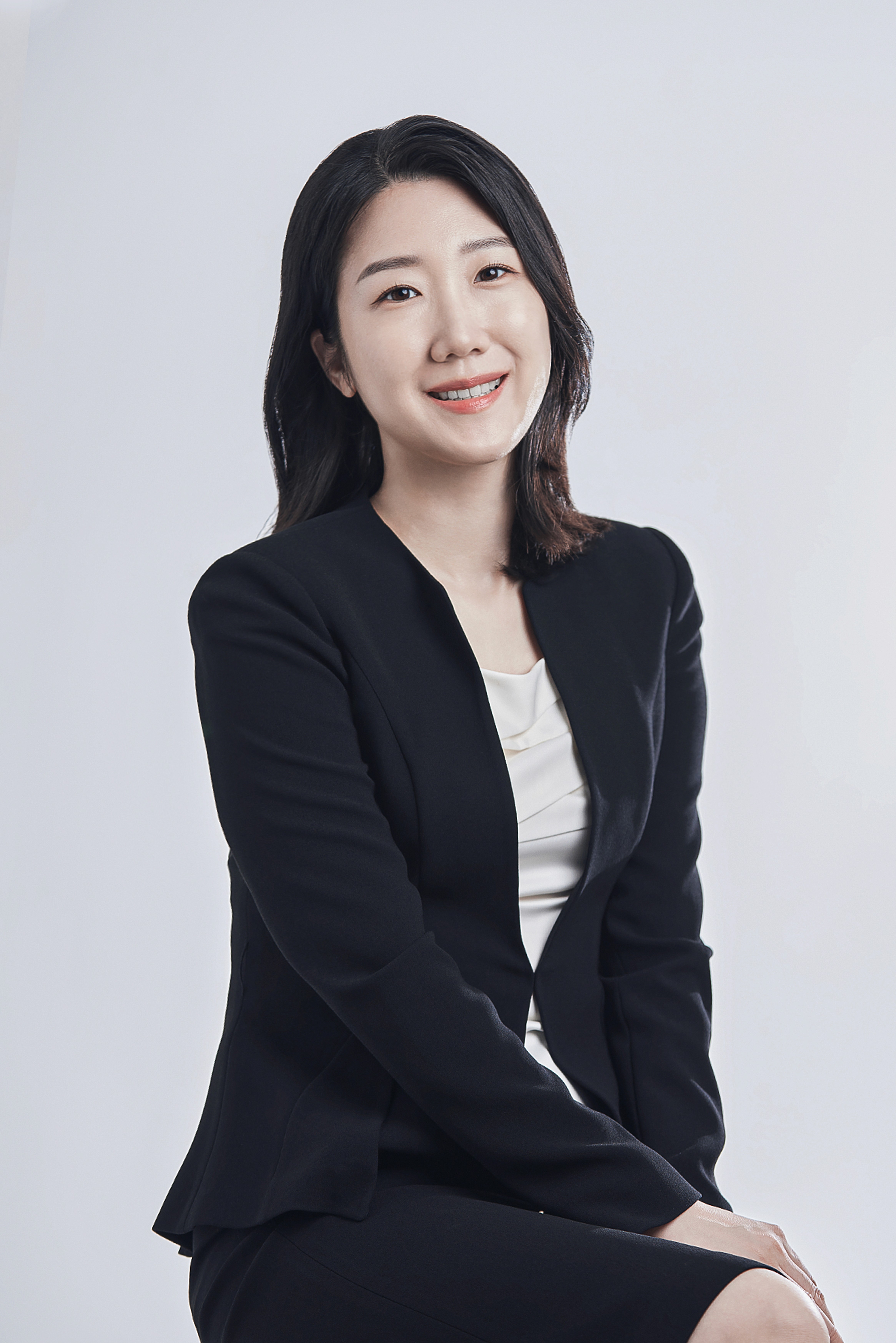
Attorney in charge: Managing Attorney Yoon Ji-sang · Managing Attorney Noh Jong-eon · Attorney Park Jeong-eun
To protect confidentiality, some elements of this case have been anonymized within a range that does not compromise the substance of the matter.
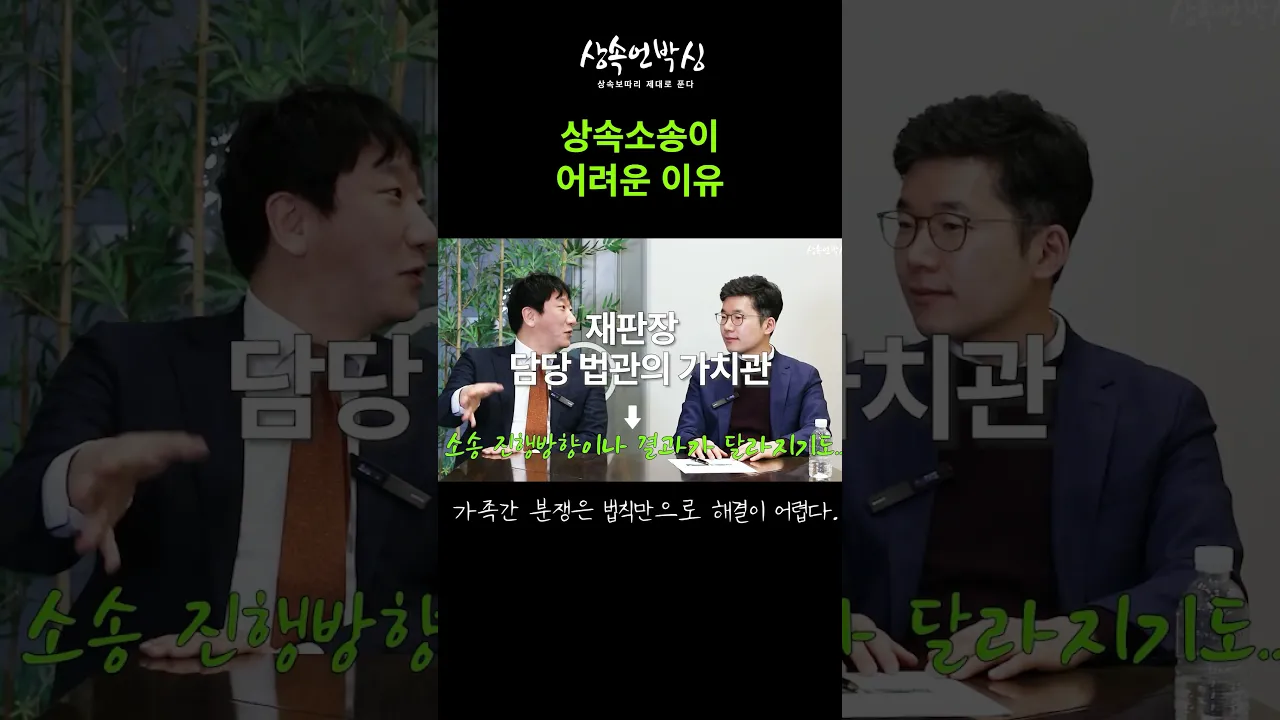
Watch the video on Law Firm Jonjae's YouTube channel, 'Family Law Unboxing'
Attorney in charge


Other cases