Inheritance
1. The Client's Crisis
During the deceased's lifetime, most of the ownership shares in the real estate he owned were transferred to the eldest son and the eldest son's family through sale, gift, and similar forms, and a notarized will had been prepared stating that the remaining shares would also be bequeathed to the eldest son. However, the deceased later changed his mind and executed a new notarized will that gave some of the real estate shares he had planned to bequeath to the eldest son as gifts to the clients' children, and also bequeathed some shares to the clients. The shares the clients were to receive by bequest were not large in relation to the total real estate shares.
After the deceased's death, when the clients asserted their rights under the bequest, the eldest son, after fully repaying debts amounting to several billion won secured by the real estate, filed a lawsuit seeking reimbursement in an amount equivalent to the value of the shares bequeathed to the clients. If the eldest son's argument were accepted, the clients would be left with little to no practical benefit from the property they received through the bequest.
2. Key Issues
The key issues to be disputed in this case were largely threefold. First, whether the bequest to the clients was a universal devise (which would mean succession to debts as with an heir) or a specific devise (transfer of only specific property, with no succession to debts). The eldest son argued that it was a universal devise and that the clients should also assume the debts. Second, even if it were a specific devise, how the allocation ratio for the mortgage debt on the real estate should be calculated. The eldest son tried to burden the clients with one-eighth of the debt each, arguing that only the devisees should divide it according to their bequest ratios. Third, there was no precedent to refer to. The case law cited by the eldest son was limited to situations where the entire real estate was bequeathed, and there was no precedent on debt allocation in cases like this one, where sale, gift, and bequest were combined in a complex manner.
3. The Firm's Strategy
Attorney Yoon Ji-sang, the firm's managing partner, designed an independent legal argument in a case without precedent.
First, we proved that the bequest to the clients constituted a specific devise. We specifically explained that, at the time the notarized will was executed, the deceased possessed assets other than the relevant real estate, and that the deceased intended to limit the bequest solely to the shares in that real estate.
Next, we showed that the precedent cited by the eldest son could not be applied to this case. We argued that the precedent was limited to cases in which the entire real estate was bequeathed, and could not be applied where, as here, shares in real estate were transferred in a dispersed manner through a combination of sale, gift, and bequest. Accordingly, as a matter of law, the clients should bear only the debt corresponding to the shares they received by bequest (each 1/24) out of the total real estate shares, and not the burden calculated at the ratio among the devisees argued by the eldest son (each 1/8).
To strengthen this legal argument, we also emphasized that the deceased's intent at the time of the bequest was to achieve fairness in inheritance between the eldest son and the clients. We stressed that, if the eldest son's argument were accepted, the clients would effectively lose the practical benefit obtained through the bequest, and that such a result would run counter to the deceased's intent.
4. Result and Recovery
The court accepted the arguments of Law Firm Jonjae and held that the bequest to the clients should be regarded as a specific devise, and that the devisees alone could not be said to bear the debts. The clients were required to pay reimbursement only in proportion to the share they received out of the total real estate shares (each 1/24). This outcome prevented the valuable property the clients received by bequest from effectively disappearing due to an unfair allocation of debt, in a situation where most of the real estate had passed to the eldest son.
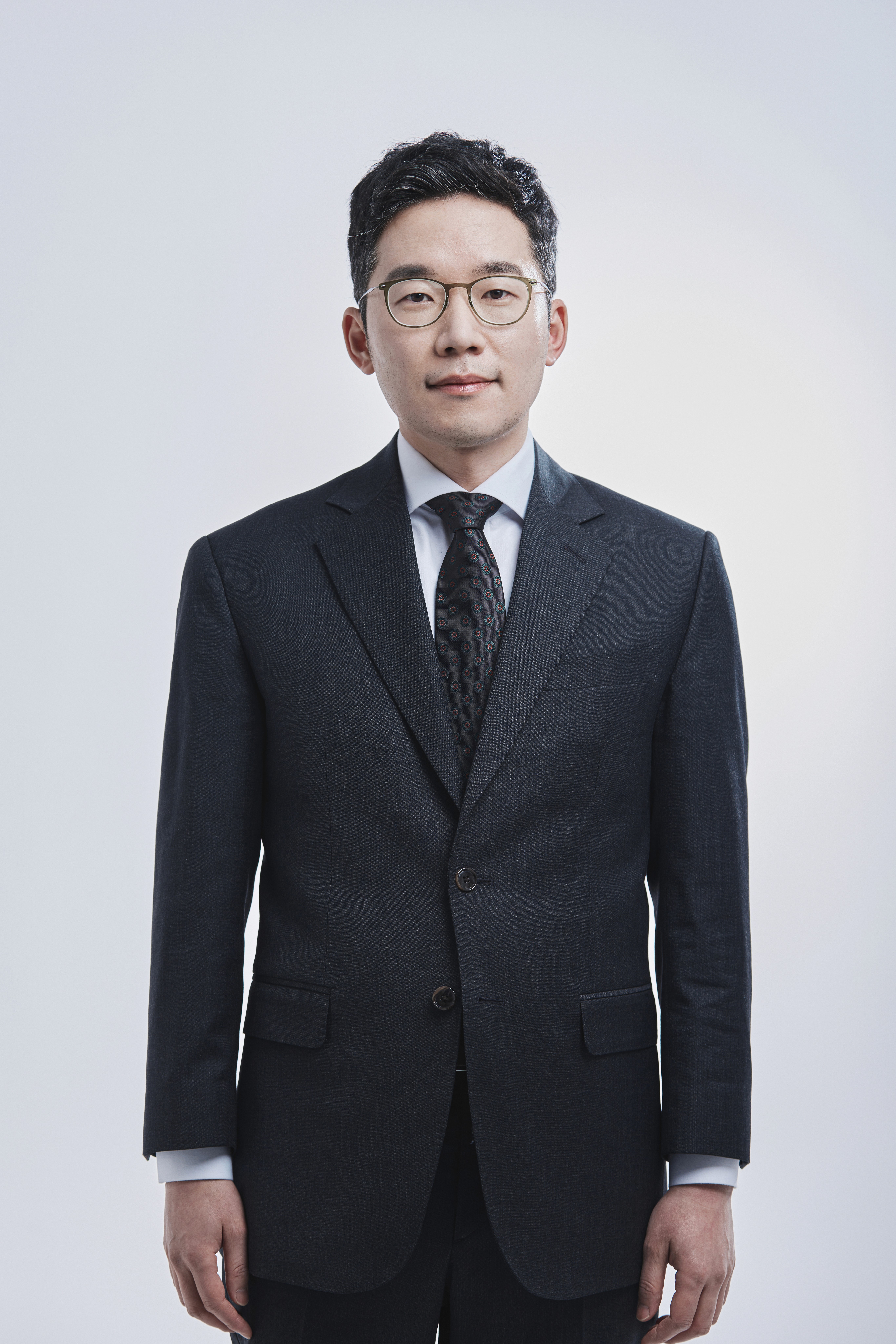
Attorney in Charge: Yoon Ji-sang, Managing Partner
To protect confidentiality, this case has been partially de-identified to the extent that does not affect the substance of the matter.
Attorney in charge
Other cases